Our Rice Portfolio Includes:
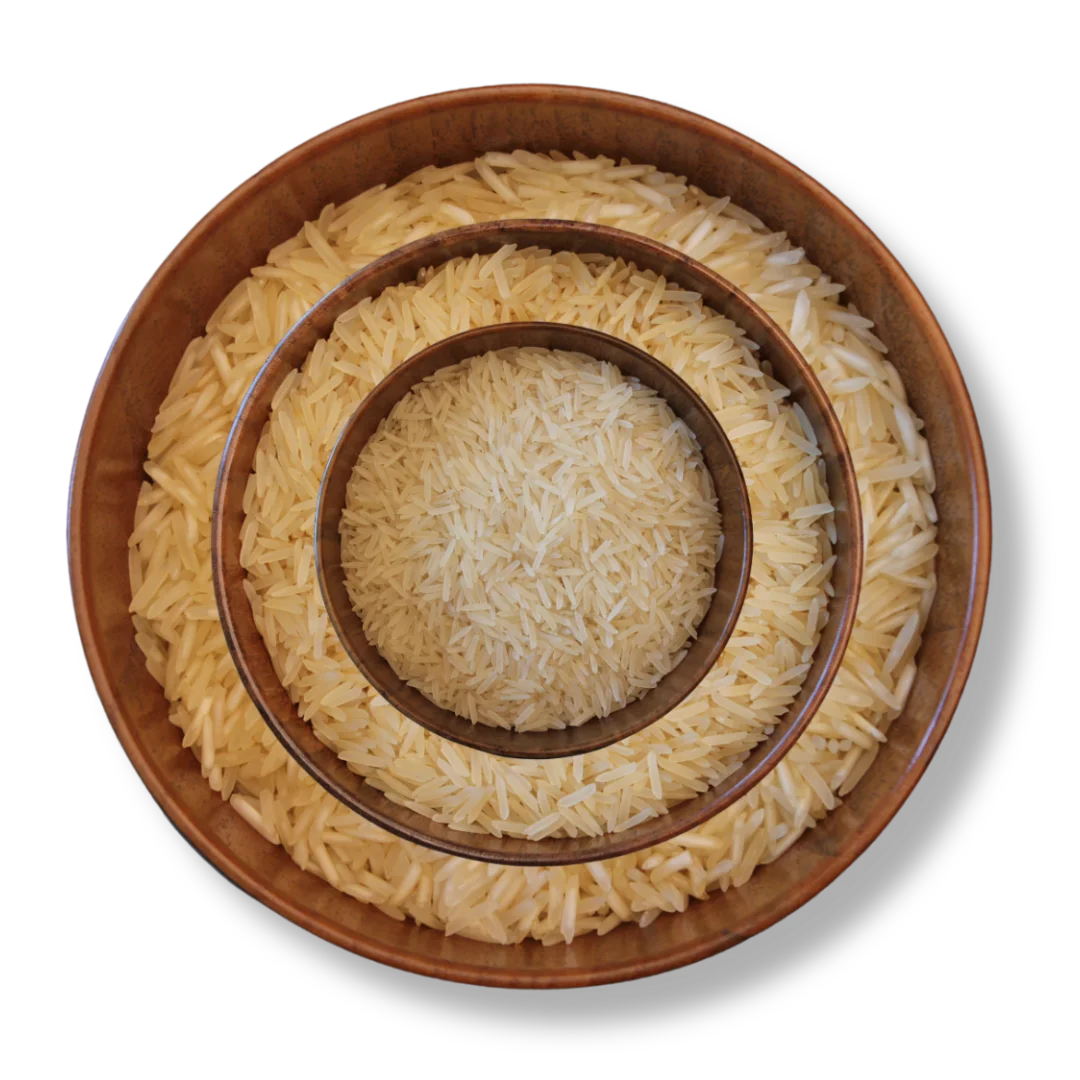
Basmati Rice
Description:
Basmati rice is celebrated for its exceptionally long grains, floral aroma, and fluffy, non-sticky texture.
Ideal for dishes like biryani, pilaf, and gourmet sides, Basmati elongates by up to three times when cooked.
Its light mouthfeel and fragrant profile elevate both everyday meals and festive feasts.
Cultivation & Processing:
Cultivated in nutrient-rich, irrigated soils, Basmati undergoes a natural aging process of 6–12 months to
deepen aroma and improve grain integrity. Harvested at peak maturity, the paddy is carefully dried, milled
to retain length, and sorted into premium grades before packaging.
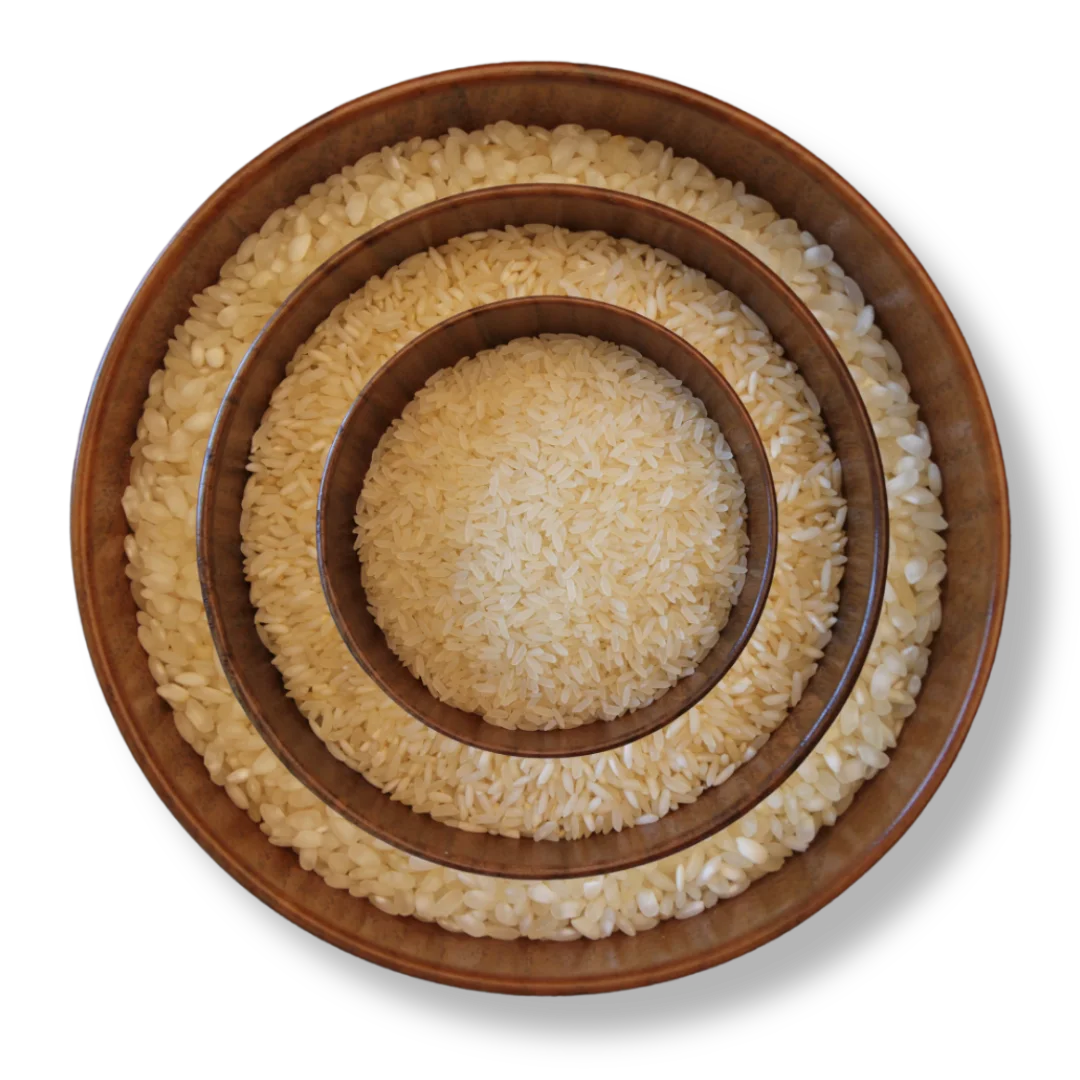
Non-Basmati Rice
Description:
Non-Basmati rice varieties feature medium to short grains that offer a soft, cohesive texture when cooked.
Widely used for steamed rice, risottos, rice puddings, and rice flour, these grains adapt to many recipes.
Their affordability, higher yield, and consistent cooking characteristics make them staples in everyday
dining and food production.
Cultivation & Processing:
Grown in both rainfed and irrigated terrains, the crop is harvested and spread to dry naturally.
Mechanical milling removes husks, followed by polishing to achieve the desired sheen.
Advanced sorting technology ensures uniform grain size and minimal broken kernels.
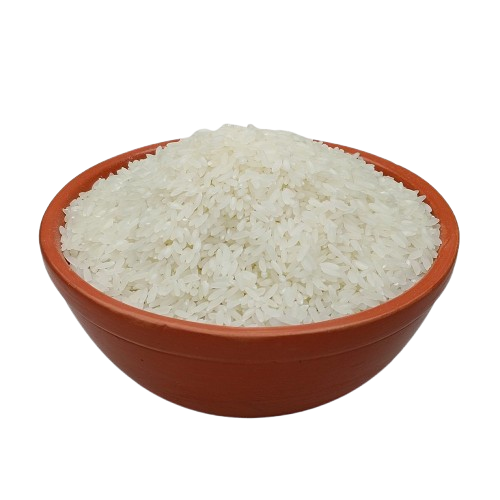
Sona Masoori
Description:
Sona Masoori is a lightweight, aromatic medium-grain rice renowned for its tender texture and subtle
fragrance. It cooks quickly and remains fluffy yet slightly chewy, making it ideal for dishes like
pongal, idli, and lemon rice. Its lower starch content supports easy digestion and a healthier glycemic
response.
Cultivation & Processing:
Cultivated in well-irrigated, fertile soils, Sona Masoori is harvested, then either milled raw or
parboiled to lock in nutrients. Parboiled grains are steamed under pressure before drying, enhancing
firmness and vitamin retention. Final sorting and grading guarantee purity and consistency.
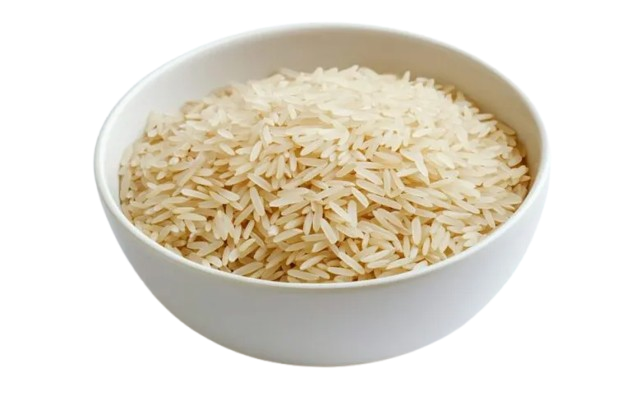
Parboiled Rice
Description:
Parboiled rice is partially boiled in the husk before milling, driving water-soluble nutrients from the
bran into the grain. This process yields firmer, amber-tinted grains that resist overcooking and retain
more B-vitamins. Preferred in institutional kitchens and cuisines requiring sturdy rice, parboiled rice
offers both nutrition and performance.
Cultivation & Processing:
Immediately post-harvest, paddy is soaked, steamed, and then sun-dried to optimize nutrient retention.
Milling removes the husk while preserving the enriched kernel. Final polishing and grading prepare the
rice for bulk distribution and long-term storage.

Since 2024
Export agro food commodities
Get in Touch
Compass Building Co-Working, Al Shohada Road, Al Hamra Industrial Zone-FZ, Ras Al Khaimah, United Arab Emirates